Hot: Skin Analyzer PDT Skin Machine Hair Growth Device Home Phototherapy

The most awkward conversation in a phototherapy clinic is not about starting. It is about stopping. A patient who has cleared after twenty-eight sessions asks the obvious question - do I keep coming - and the honest answer is that it depends on a decision nobody wrote down at the start.
That decision should be in the plan from session one, because maintenance consumes the same chair time as treatment and the evidence for it is uneven across indications.
Three options exist at clearance: stop and monitor, taper to a lower frequency for a defined period, or move to maintenance at reduced frequency with no fixed end. Only one of those has a stopping rule, and it is not the third.
The choice depends on the indication, the number of previous courses and the patient's own pattern. It also depends on capacity, which clinics rarely say out loud but which determines what is actually offered.
Whichever model is chosen, write the frequency, the review date and the stopping condition into the plan. 'Continue as needed' is not a plan; it is a decision deferred to whoever answers the phone.

The taper is a schedule, not a habit: frequency, review date and stopping condition belong in the plan.

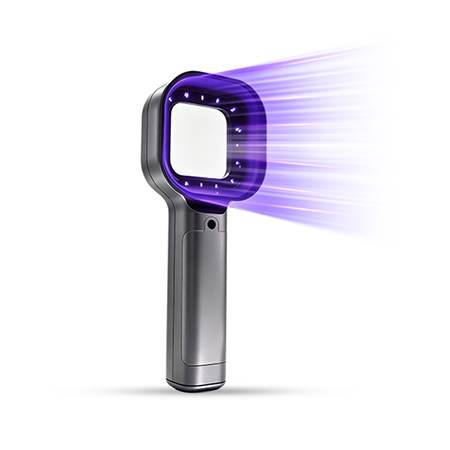
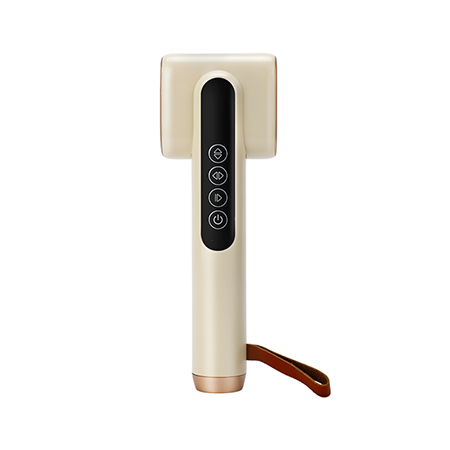
Maintenance at reduced frequency is often best delivered at home, where the travelling cost does not erode the benefit.
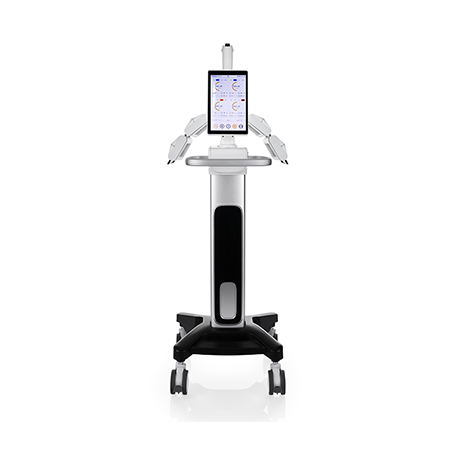
A cabin running maintenance appointments for stable patients is a cabin not treating new referrals. At a typical clinic, ten maintenance slots a week is a fifth of capacity, and that capacity has an opportunity cost measured in waiting lists.
Two practical responses. Move the stable patient to a home device with a written low-frequency schedule and a three-month review, or move them to an on-demand pathway with a fast re-entry slot reserved. Both free chair time without abandoning the patient.
There is no universal number, but there is a defensible structure: taper over four to eight weeks after clearance, review at three months, and accept that a patient who relapses within eight weeks of stopping is telling you something about their disease pattern rather than about the taper. Write that interpretation into the note, so the next course starts from the right place instead of from the same plan.
For patients on a second or third course within a year, the question shifts from maintenance to whether phototherapy is still the right long-term strategy, and that is a conversation to have with the clinician rather than to settle by adding sessions.
A home device makes low-frequency maintenance realistic, provided four conditions hold: the clinic sets the schedule, the patient logs every session, the lamp hours are recorded, and there is a review date. Without the log, a maintenance schedule drifts into self-directed treatment within two months.
The handover should include what to do when the skin improves further - which is the point patients get wrong. Continuing at the cleared dose on clear skin is the most common avoidable over-exposure in home phototherapy.
Add four lines to the treatment plan before the course starts: the maintenance model chosen, the frequency, the review date, and the stopping condition. Then the conversation at clearance becomes a confirmation rather than a negotiation, and the clinic's capacity is decided in advance instead of by default.
Want the maintenance plan template with the four lines already drafted? Ask our clinical support team.
【Editor】admin
 Address
2nd Floor, 1-101,Building 6, Xuzhou , LIANDO U Valley, 6# Leye Road, Damiao Street, Jiangsu Province, China
 Email
 Tel/Whatsapp
+86 18914846950
 Facebook
18914846950