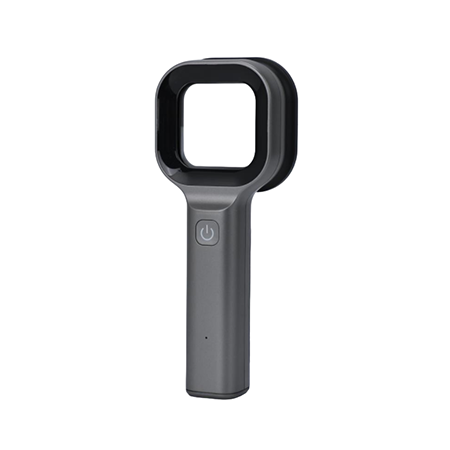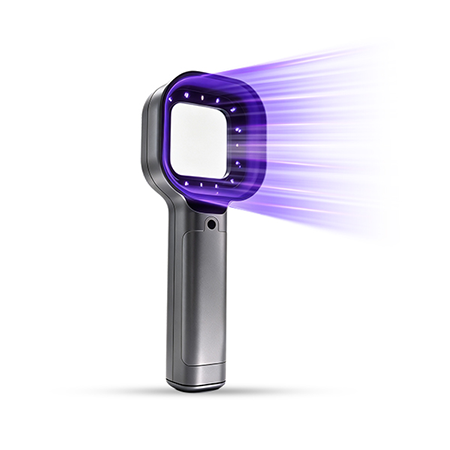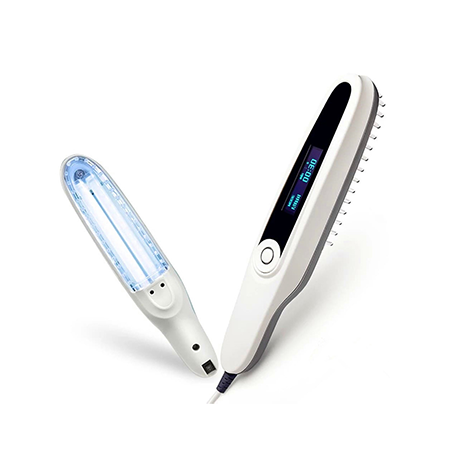
Hot: Skin Analyzer PDT Skin Machine Hair Growth Device Home Phototherapy

Pregnancy is the situation where phototherapy earns its place most clearly: it is the one systemic-strength option that does not require a drug to cross the placenta. It is also the situation where an unwritten protocol causes the most hesitation, because nobody wants to be the clinician who improvised.
A written policy removes most of that hesitation. It says who is eligible, what changes in the room, what is documented, and when the answer is 'not now'.
Case-by-case decisions in pregnancy tend to drift in one of two directions: an anxious clinic defers treatment until after delivery and leaves the patient with untreated disease for six months, or an over-confident one treats exactly as before and ignores the practicalities of a changing body.
A one-page policy prevents both. It gives the nurse permission to treat, gives the clinician a defensible position, and gives the patient a predictable schedule at a time when predictability is worth a great deal.
Narrowband UVB at 311 nm is widely used in pregnancy for psoriasis, atopic dermatitis and prurigo, and it is generally regarded as the phototherapy option of choice because systemic absorption of the drug is not a factor. The evidence base is observational rather than trial-based, which is normal for pregnancy in dermatology and should be described honestly rather than overstated.
Two points deserve a mention in the consent conversation. Ultraviolet exposure degrades folate in serum, and some clinicians advise folic acid supplementation for patients on a long course - a cheap precaution. And psoralen plus UVA involves an ingested or applied photosensitiser, which is a different risk category and is normally avoided in pregnancy.
Most of the changes are ergonomic rather than dosimetric. The dose ladder can usually proceed as normal; what changes is how the patient stands, how long she can stand, and which areas are worth treating at all.

Localised treatment is often the practical answer in the third trimester: shorter sessions, less standing, easier shielding.

The dose ladder does not change in pregnancy; the room, the position and the shielding plan do.
Narrowband UVB is compatible with breastfeeding, and there is no need to interrupt feeding or to discard milk. The practical issues are local: cracked or sore nipples should not be treated with a topical that is not licensed for that area, and the areola should be shielded if a whole-body session is running.
Where the disease is on the breast itself, treat locally with a hand-held unit and keep the field tight. A blanket field that includes the nipple adds dose without adding benefit.
Record four items and the policy is defensible: the gestational stage or feeding status, the alternatives considered and why they were rejected, the shielding plan, and the review date with the obstetric team if there is one. Add who approved the course and on what date.
Photograph the affected areas at baseline. Pregnancy changes the skin quickly, and a baseline image settles most later questions about whether a lesion changed during the course.
A home unit is often the best option in the third trimester, when travelling to a clinic three times a week is the main barrier to adherence. Two conditions: the clinic sets the dose ladder and reviews it, and the patient is taught the shielding rule before the first session at home.
Do not hand a device to a pregnant patient with a printed leaflet and no review date. The most common home failure is escalation without supervision, and pregnancy is not the moment to discover it.
Some cases belong with the obstetric team first: a new widespread eruption in the third trimester, any blistering, any lesion that looks vascular, and any history of preterm labour triggered by heat or prolonged standing. Refer, document the referral, and keep the door open for a course after delivery.
Want the pregnancy policy template we give clinics, including the shielding and review checklist? Ask our application team.
【Editor】admin
 Address
2nd Floor, 1-101,Building 6, Xuzhou , LIANDO U Valley, 6# Leye Road, Damiao Street, Jiangsu Province, China
 Email
 Tel/Whatsapp
+86 18914846950
 Facebook
18914846950