Hot: Skin Analyzer PDT Skin Machine Hair Growth Device Home Phototherapy

A counterfeit phototherapy device is rarely a bad copy of the outside. It is usually a plausible housing with an emitter, a driver and a label that do not match the certificate in the box - which means the first person to notice is often the patient, several months later, with a burn or no response.
For a distributor, the exposure is commercial as well as clinical: every counterfeit unit in a territory is a service call the legitimate channel did not get paid for, and a failure attributed to the brand it copied.
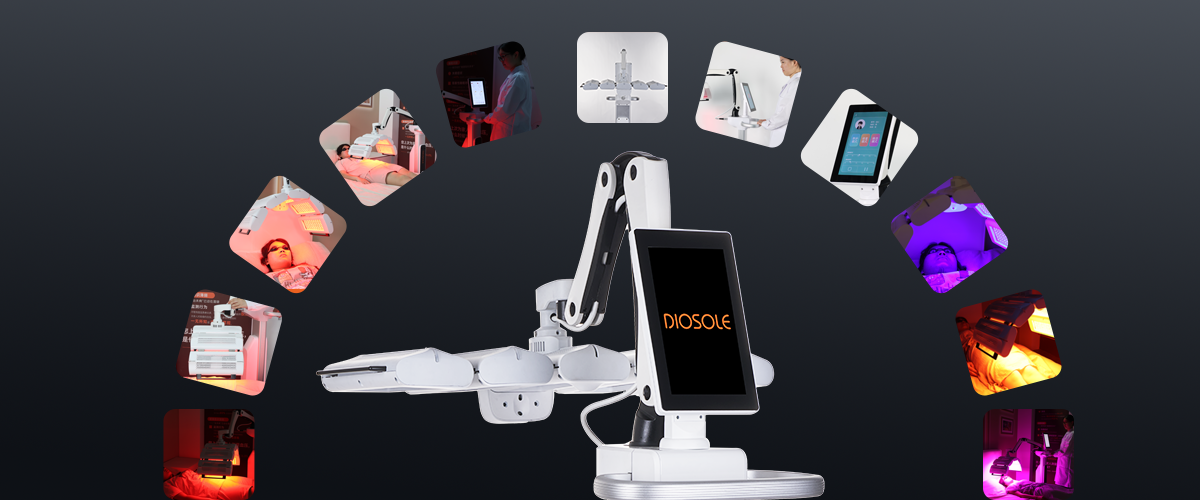
Housing is easy to copy; the emitter, the driver and the certificate are not.
Patient safety comes first. A device with a lower-than-specified irradiance produces under-treatment that looks like non-response, and a device with a badly matched filter produces a burn. Both end up in the clinic's records as a phototherapy failure.
Then trust. A clinician who has one bad experience with a brand does not distinguish between the manufacturer and the copy, and the territory takes years to recover. Then margin: counterfeit units consume the installed base without generating lamp, spare-part or service revenue, which is where the channel actually earns.
There is a fourth cost that appears on the balance sheet rather than in the clinic: the legitimate distributor carries the service burden for installed units it never sold, because a clinic that cannot reach its supplier calls the local name on the housing.
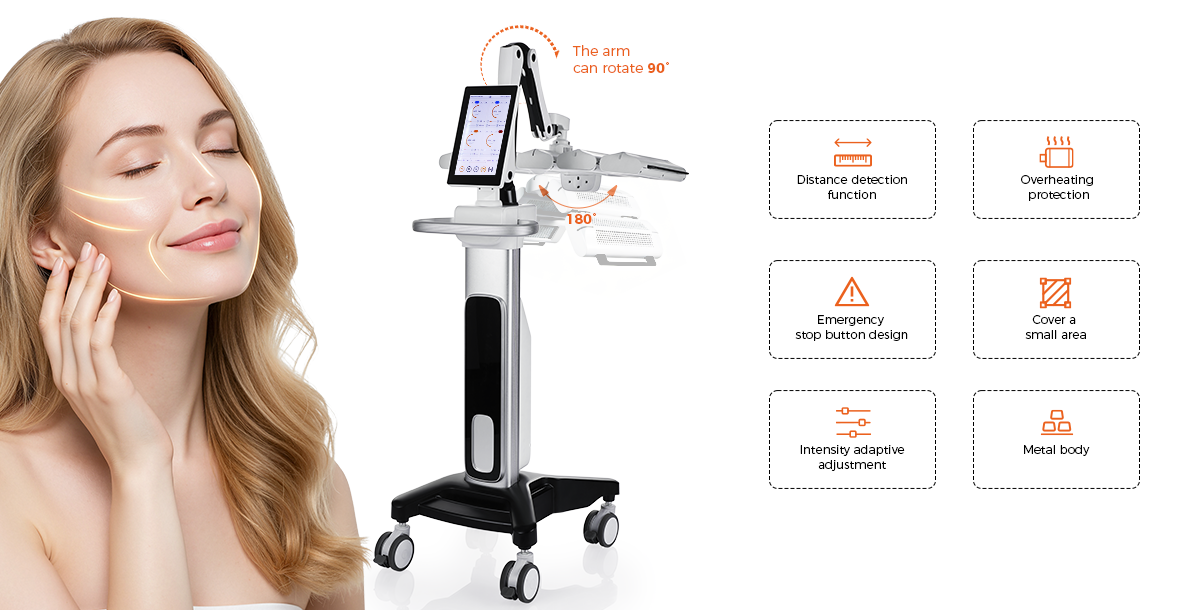
The label, the carton and the certificate have to name the same model. A mismatch is the cheapest counterfeit signal to check.
Legal action is slow and rarely proportionate for a distributor. The defences that work are structural: make the genuine product easier to buy than the copy, and make the copy harder to service.
Marketplace listings are the visible tip. Three measures reduce them: a monitoring routine that searches model codes rather than brand names, a documented takedown process with the platform, and physical serialisation that lets a buyer verify a unit before paying.
Serialisation is worth the modest cost. A QR code that resolves to a registration page - model, certificate number, appointed distributor - turns the buyer into the inspector, and buyers of medical devices are motivated inspectors.
Where the local regulator takes device traceability seriously, a documented test purchase plus a radiometer reading is usually enough to open a case. Keep the evidence chain clean: photographs of the label, the invoice, the measurement, and a written statement of the specified irradiance from the manufacturer.
Ask for four things in the contract, and ask before the first order rather than after the first problem: a model-code registry the manufacturer maintains, spare parts against serial numbers, a written counterfeit-response procedure with named contacts, and the technical file values - irradiance, spectrum, tolerances - that make a measurement defensible.
A manufacturer that cannot supply those four is not protecting its brand, and a distributor who signs without them is accepting a risk that will arrive eventually.
Need a verification page or serial registry for your territory? Ask how we set it up with partners.
【Editor】admin
 Address
2nd Floor, 1-101,Building 6, Xuzhou , LIANDO U Valley, 6# Leye Road, Damiao Street, Jiangsu Province, China
 Email
 Tel/Whatsapp
+86 18914846950
 Facebook
18914846950