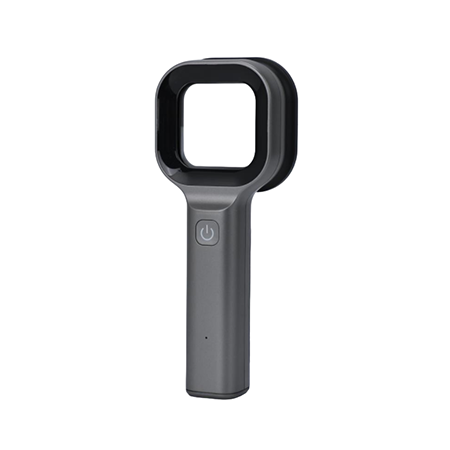
Hot: Skin Analyzer PDT Skin Machine Hair Growth Device Home Phototherapy

Both regions come up in the same planning meeting, and they are usually treated as one decision - 'emerging markets'. They are not. Latin America and Southeast Asia differ in registration burden, order size, service distance and payment behaviour, and a strategy built for one tends to fail in the other.
This is a comparison, not a recommendation. The right answer depends on whether your constraint is capital, patience or local presence.
Latin American distributors tend to buy in larger blocks and to expect exclusivity early, because they are committing to a registration process that costs real money and takes months. Southeast Asian buyers often start smaller, mix brands within a category, and grow account by account.
The practical consequence is that a Latin American first order is a registration decision and a Southeast Asian first order is a market test. Price the two differently, and do not offer the same terms to both.
Two regions, two constraints: registration cost in one, service distance in the other.
In Latin America, Brazil and Mexico set the pace: the processes are structured, evidence-hungry and slow, and the local registration holder becomes a genuine partner rather than a paperwork formality. Smaller markets in the region are faster but often accept a reference approval from a larger one.
In Southeast Asia, the harmonised dossier approach has reduced duplication across several markets, but national implementation still varies, and the ASEAN route does not remove the need for a local licence holder in each country. Where it wins is in the ability to reuse one technical file across several submissions.
In both regions, confirm the current rule with a local consultant before quoting a date. Device rules change faster than any article can track, and a promise made on last year's understanding is the most common way an export plan slips a quarter.
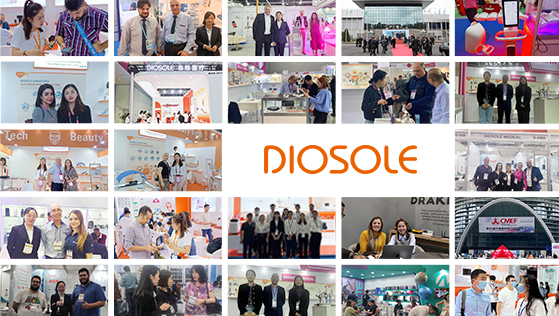
Territory is built on accounts, not shipments: both regions reward the partner who can service what they sold.
This is where the two routes diverge most sharply. A Southeast Asian territory can be covered from a regional hub with next-day flights and modest spares stock. A Latin American territory often needs a national service partner plus a bonded spares location, because a shipment from Asia can take four to six weeks and customs can add more.
Budget for the spares location before the first order, not after the first repair. The cost of holding a small kit in-country is almost always lower than the cost of the second sale you lose while a clinic waits.
Currency volatility affects both regions, but for different reasons and with different instruments available. Where forward contracts are accessible and affordable, price in the currency you are paid in and hedge the timing. Where they are not, shorten the payment window rather than absorbing the risk in margin.
Credit insurance and letters of credit are more available than distributors assume, and both change the terms conversation from trust to structure. A distributor who is asked for a letter of credit on the first order often accepts a deposit instead, which is a better outcome than a bad debt eight months later.
Spanish and Portuguese manuals are a registration requirement in most of Latin America, and a language set is a print run - budget it with the registration, not after. Southeast Asia needs fewer languages per market but more of them overall, which raises the number of variant SKUs.
Clinical support follows the same pattern: a Latin American partner usually wants a training visit and a local reference clinic; a Southeast Asian partner often wants digital training and a fast spare-parts route.
Both regions can be tested at modest cost: two sample units, one distributor with a defined territory, one regional congress, and a written ninety-day review. If the distributor cannot place the samples in clinics within ninety days, the problem is usually the partner rather than the price.
Choose the first region by constraint rather than by market size. If the constraint is capital, take the smaller, faster route. If it is patience and margin, take the slower registration with the larger order - provided you can support it in-country, because the region that punishes an absent service partner most is the one furthest from your spares.
Comparing territories? Ask for our registration checklist and the sample-territory agreement template.
【Editor】admin
 Address
2nd Floor, 1-101,Building 6, Xuzhou , LIANDO U Valley, 6# Leye Road, Damiao Street, Jiangsu Province, China
 Email
 Tel/Whatsapp
+86 18914846950
 Facebook
18914846950