Hot: UHF Small Animal Doppler Lab Animal Ultrasound Portable Pet Doppler Handheld Vet Ultrasound


In the core battleground of life science research, laboratory mice (especially ultra-small mice weighing only 30 grams) are the "gold standard" model for evaluating the safety and efficacy of new drugs. However, how to perform non-invasive, dynamic, and high-resolution in vivo monitoring of their critical organs such as the heart, kidneys, liver, bladder, and intestines has always been a technical bottleneck for researchers. Recently, at a leading preclinical research institution in Xuzhou, Jiangsu Province, the successful application of the Revo 9 Vet animal-specific color Doppler ultrasound diagnostic system has provided a perfect solution to this problem, especially in the detection of drug metabolic residues in mice and the determination of drug residues in local tissues at the injection site, demonstrating superior performance compared to conventional equipment.
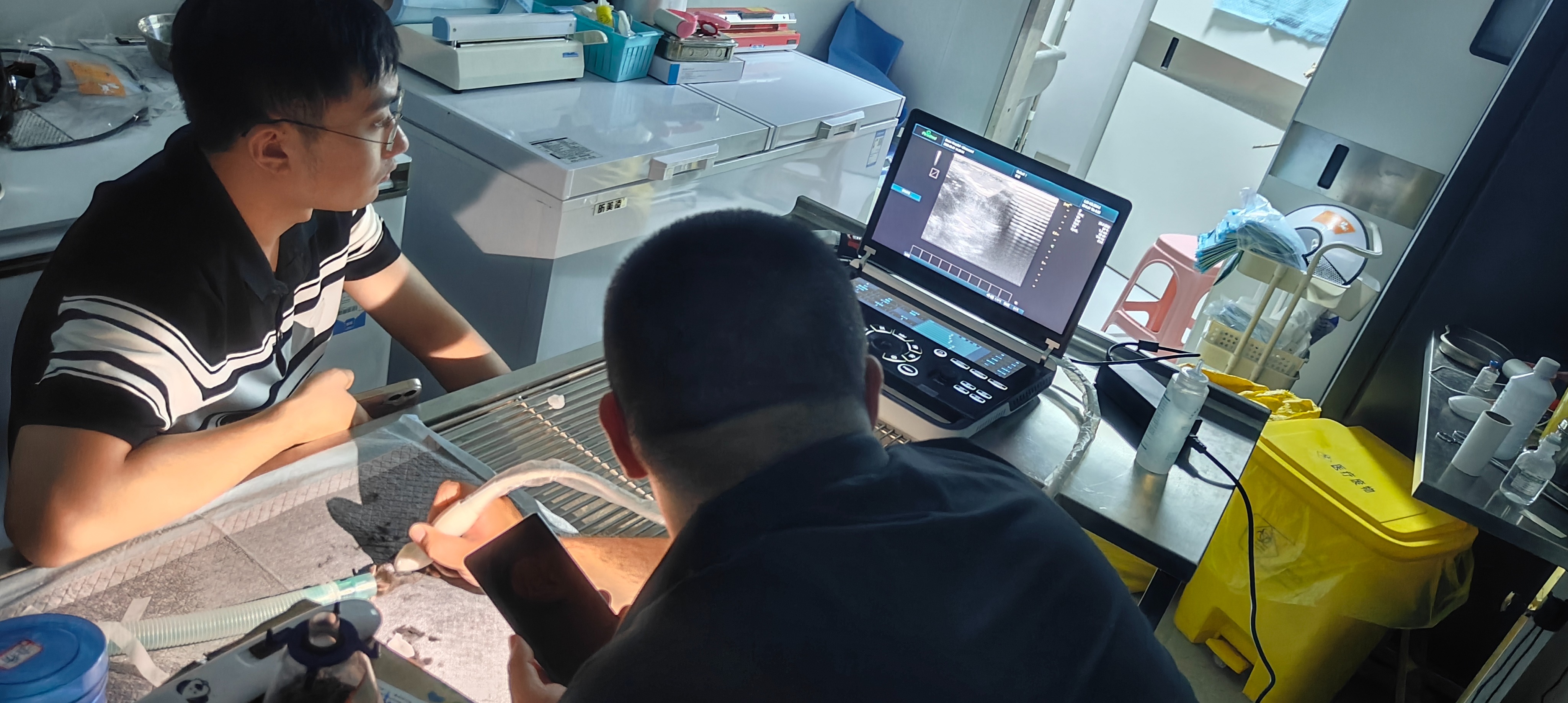
Challenge: High-Resolution "Dynamic CT" for "Grain-Sized" Organs
Traditional or general-purpose veterinary ultrasound equipment lacks the probe frequency and resolution to meet the microscopic imaging needs of a 30-gram mouse. Observing the dynamics of a heart the size of a grain of rice, the hair-thin renal vessels, and assessing millimeter-level local drug deposition requires equipment with extremely high spatial resolution and excellent superficial imaging capabilities. This is precisely where the Revo 9 Vet excels.
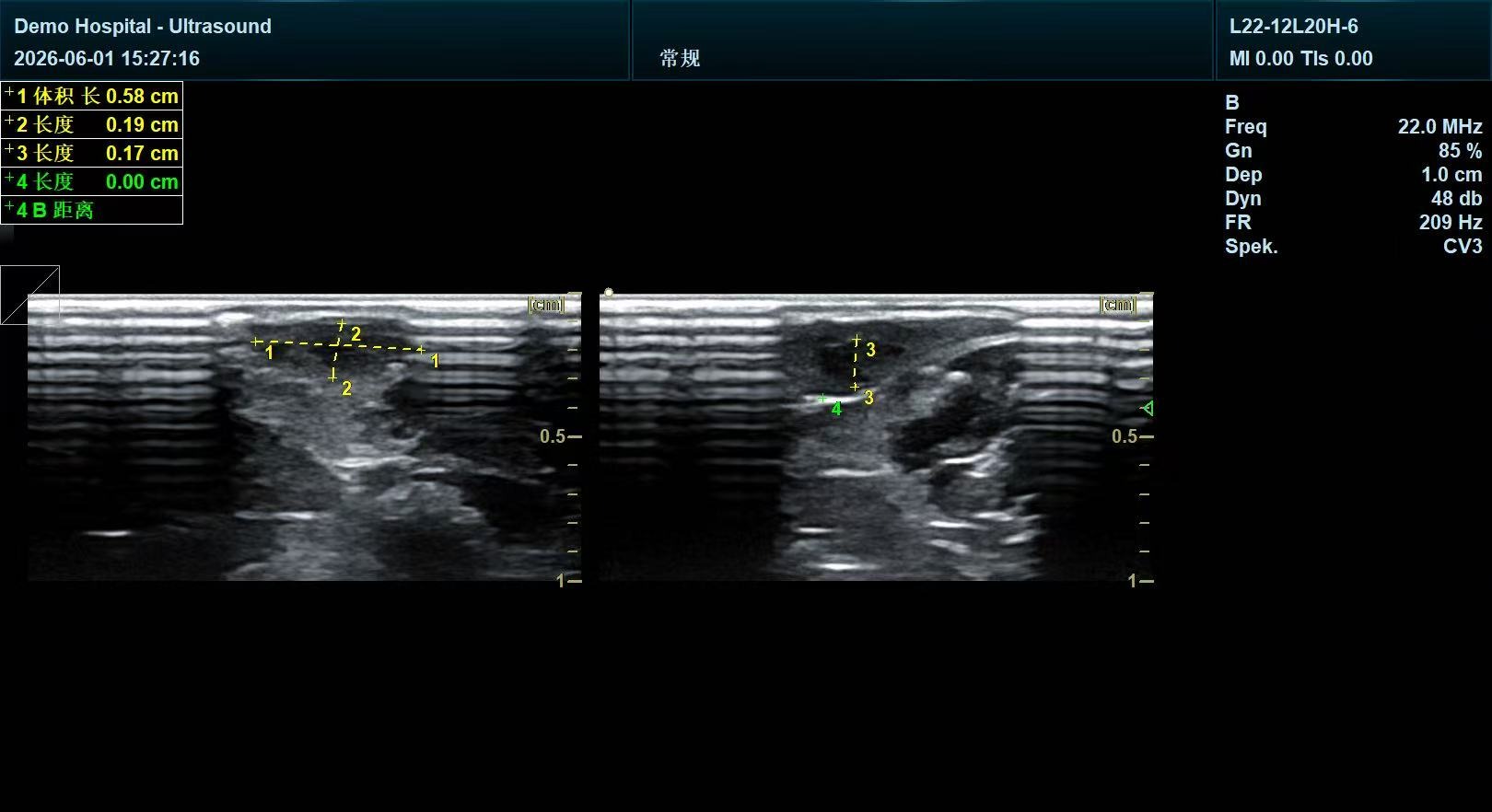
Breakthrough 1: Ultra-High Frequency Probe, Addressing Imaging Challenges in Mice
The Revo 9 Vet features a dedicated high-frequency probe with a frequency limit of up to 21MHz. This surpasses the specifications of most commercially available animal ultrasound equipment, meaning shorter wavelengths and micrometer-level spatial resolution. In experiments conducted at the Xuzhou institution, researchers were able to clearly capture:
Heart: Real-time observation of the opening and closing of the various chambers and valves of the mouse heart, accurately assessing cardiac function and monitoring the potential effects of drugs on the heart.
Liver and Kidneys: Clear differentiation of the renal cortex and medulla structures, observation of tiny blood vessels within the liver, and assessment of whether drug metabolites cause changes in organ parenchymal echogenicity or volume.
Injection Sites: Precise identification and measurement of subcutaneous or intramuscular drug deposition foci or inflammatory reaction areas, potentially only millimeters in size, providing direct and quantitative imaging evidence for "local tissue drug residue determination."
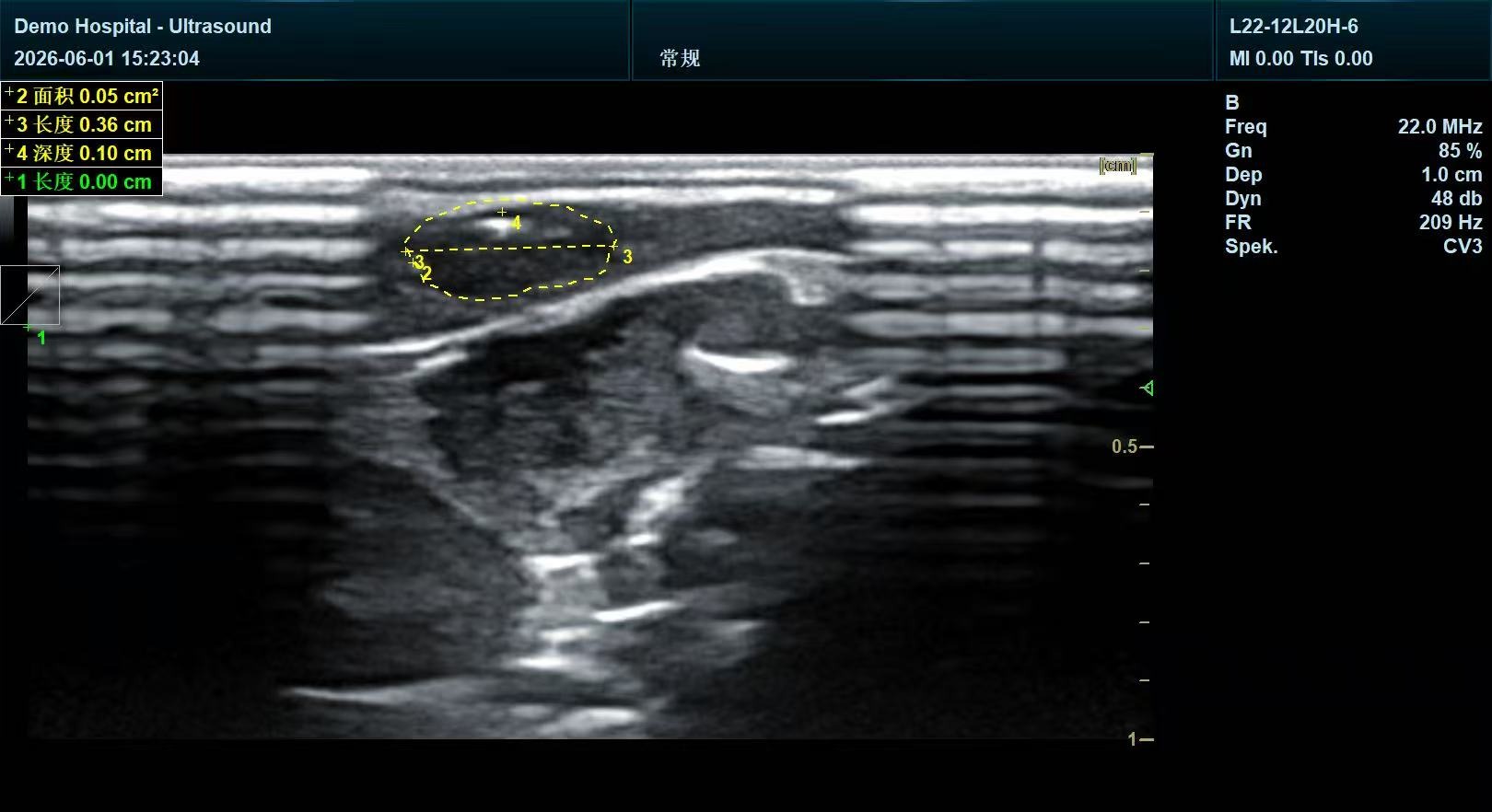
Breakthrough Two: Research-Grade Hardware and Algorithms, Laying the Foundation for High-Definition Image Quality Superior images not only stem from high-frequency probes but also rely on powerful internal capabilities. The Revo 9 Vet employs a 192-element, 64-channel hardware platform, coupled with GPU-accelerated beamforming technology, providing robust raw data processing capabilities. Its dynamic range of up to 120dB ensures that while displaying rapid blood flow within the mouse heart (color Doppler mode), the delicate textures of soft tissues such as the liver and intestines are not lost, laying a solid foundation for the accuracy and reproducibility of research data.
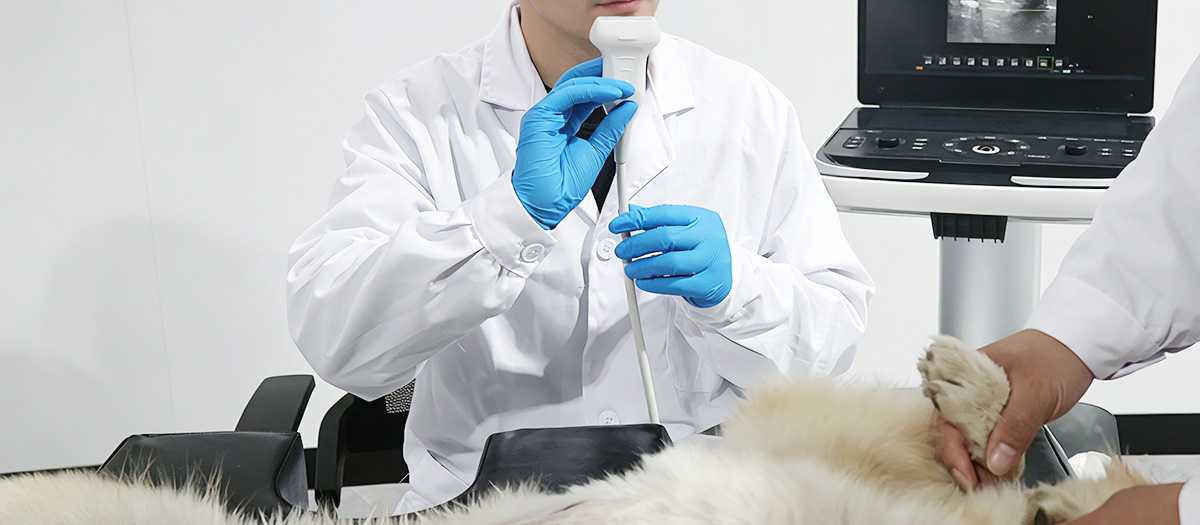
Breakthrough Three: Intelligent Workflow, Enhancing Research Efficiency in Mouse Experiments
Efficiency is paramount in high-throughput animal experiments. The Revo 9 Vet incorporates AI algorithms to automatically optimize imaging parameters for small animals like mice, lowering the operational threshold and ensuring consistent image quality across different batches. Its dual-screen design (15.6-inch + 12.6-inch) allows researchers to focus on scanning on one screen while simultaneously adjusting parameters and recording data in real-time on the other, significantly optimizing the workflow for in vivo imaging experiments.
Empowering Scientific Research: From High-Definition Images to a Data Goldmine
In research in Xuzhou, the Revo 9 Vet's value transcends that of a mere imaging device:
Visualizing Pharmacokinetic/Toxicological Studies: Dynamically visualizing the distribution, accumulation, metabolism, and excretion of drugs in the body, corroborating this with biochemical data such as blood drug concentrations, greatly enhancing the persuasiveness of research reports.
Practicing the "3R" Principles of Animal Welfare: Through excellent non-invasive in vivo imaging, it enables long-term, multi-time-point observation of the same laboratory mouse, effectively reducing the number of experimental animals used and complying with modern research ethics.
From "filming" the heart of a 30-gram mouse to precisely locating the microscopic traces of drug metabolism, the Revo 9 Vet, with its high-frequency microscopic imaging capabilities for cutting-edge scientific research, stable high-definition image quality, and intelligent design, is becoming a trusted partner for an increasing number of life science research institutions in China, such as those in Xuzhou. It is not only a "super microscope" for observing life, but also an accelerating engine driving new drug development and life science exploration, truly embodying the core value of "Intelligent Ultrasound, Precisely Safeguarding Scientific Research."
【Editor】admin
 Address
13th Floor, Building C1,Mingyang Square,Software Park Economic development DistrictXuzhou
 Email
Email
info@periodmed.com
 Tel/Whatsapp
+86 15005204265